Created from a single voice note with Agent Craft
Random content from different people, most of the team ignoring…
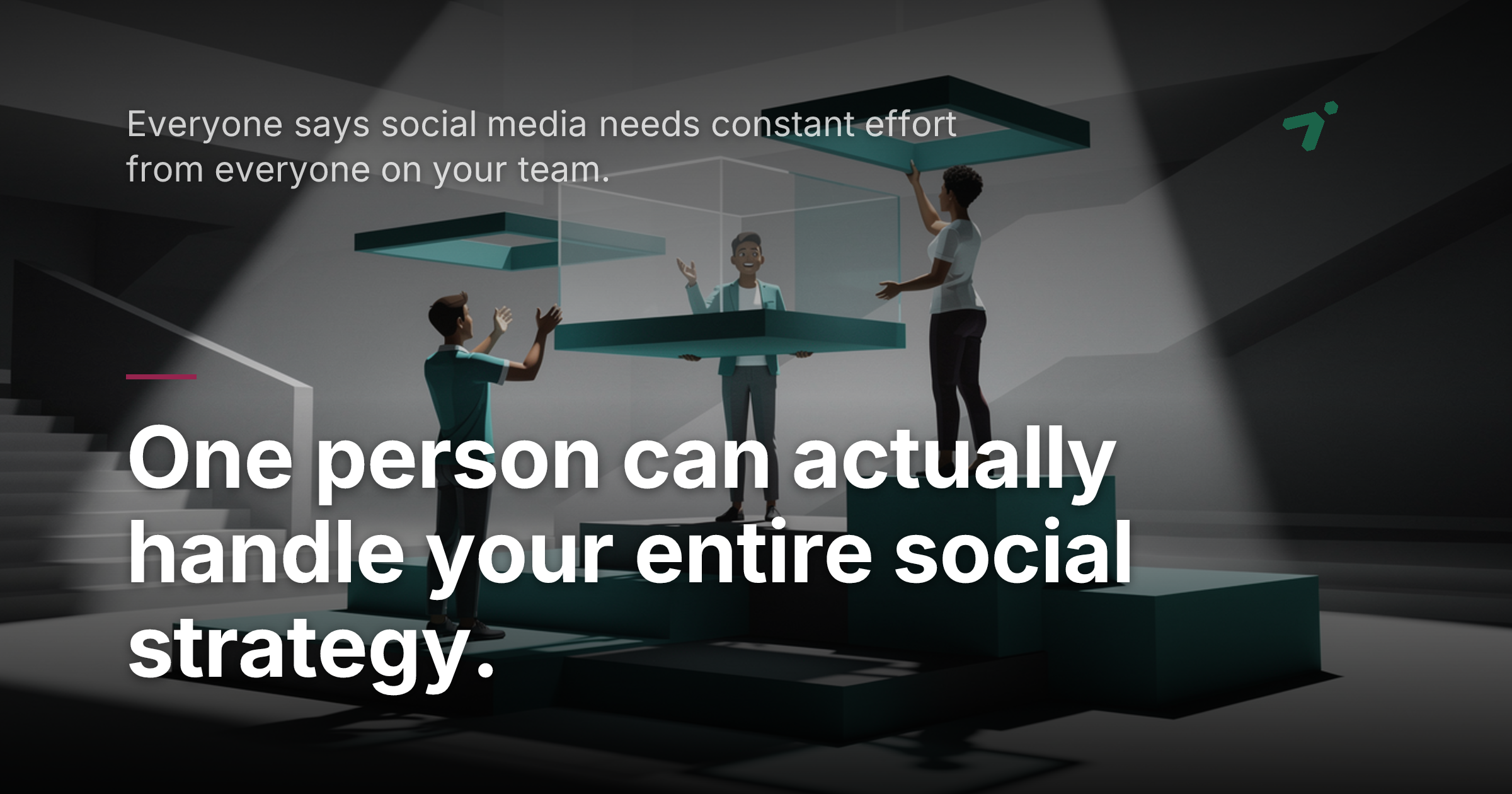
Random content from different people, most of the team ignoring social platforms entirely because it felt overwhelming. That was the reality for Barrie Hadfield's organization before they built a real system around it. The shift wasn't about posting more. It was about having actual campaigns where individual voices stayed on message, rather than whoever had time doing whatever felt right that day. Agent Craft is built around one core idea: a single piece of approved content can reach up to 14 destinations at once, without requiring a different person to manage each one. That matters whether you're a founder, a marketing lead, or a subject-matter expert who hates thinking about social media. The "safety net" isn't a feature hidden in a settings menu. It's the architecture. Content flows from a central system outward, so no one role has to carry the whole thing alone.
More content from Agent Craft
- BlueskyBarrie's team had everyone doing their own thing. Most just ignored social entirely. Too overwhelming. Agent Craft gave them their first real content system, individual voices, consistent message, actual campaigns. First time it ever worked.
- LinkedInRemote work abroad — the 5-minute prep (Hong Kong / Claude geoblock story)
- BlueskyReid Hoffman called it years ago: influence is the most important currency. The bottleneck was never ideas. It was time. Agent Craft cuts executive content creation from 90 minutes down to 1-3. That's not a tweak. That's a different game.
- TikTokDon't optimize what shouldn't exist. If nobody's using that feature, cut it, you'll build something better without it. #softwaredevelopment #buildinpublic #productthinking #agentcraft #devtips #engineering
- X (Twitter)Working on something for weeks doesn't make it good. I've been building my app for a while now. Careful architecture. Real testing. Work I genuinely put time and thought into. And I just made the call to delete a lot of it. Not because it was bad work. Because the place I'm in now is different from where I started. And not everything that made sense at the beginning still makes sense today. There's a name for the trap I had to avoid. The sunk cost fallacy. The idea that because you invested in something, you have to keep it. That the hours justify the output. They don't. The work doesn't become valuable just because it was hard. So I cut it. And here's the thing: simplicity is almost always better. Not sometimes. Almost always. Complexity creeps in quietly, feature by feature, decision by decision, until you look up and realize you've built something that nobody, including you, fully understands anymore. The clean version is harder to ship because it feels like you're leaving something on the table. You're not. You're leaving the table clear enough to actually eat at. Simplicity is almost always better.
- BlogReal-Time Decision Engines vs. Traditional CRMs: How to Compare Real-Time Decision Engines for Email Segmentation Versus Traditional CRMs (And Why It Actually Matters)