Created from a single voice note with Agent Craft
Six companies in, you start to notice things you couldn't see from…
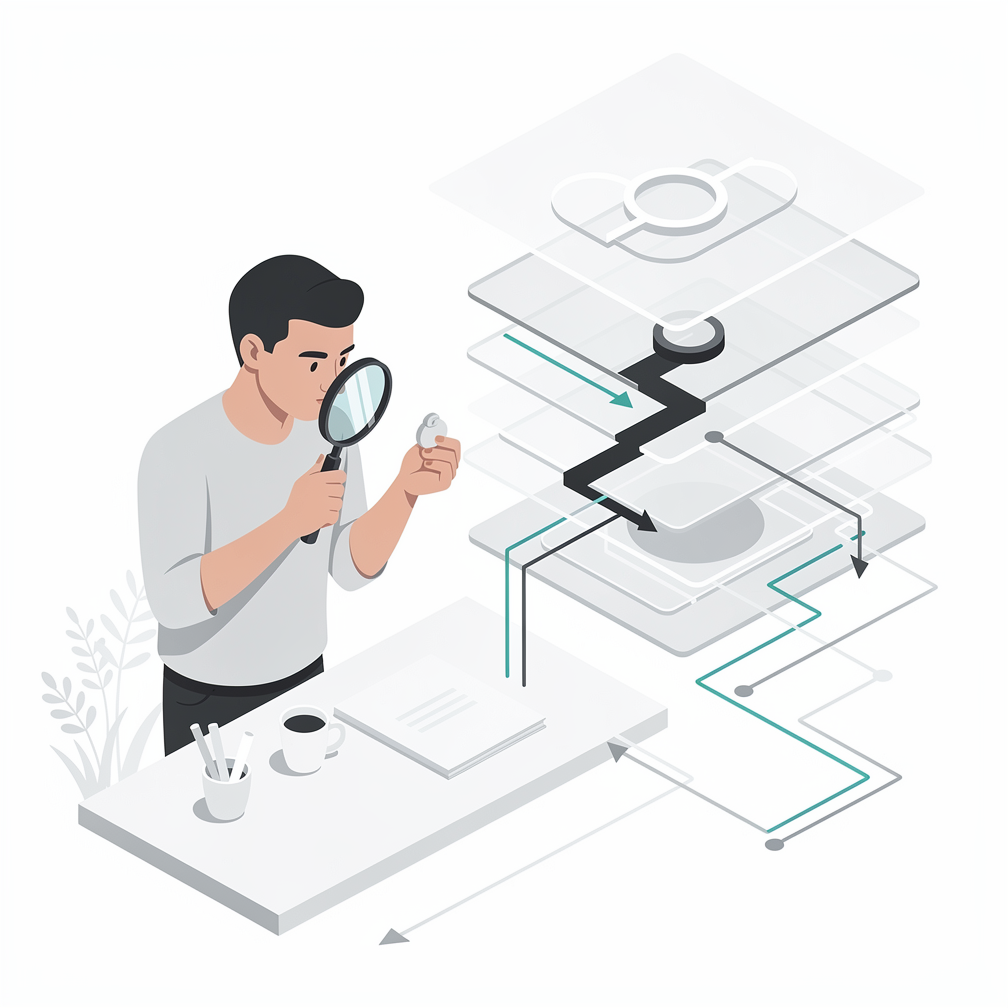
Six companies in, you start to notice things you couldn't see from inside the first one. The biggest pattern I've picked up isn't about funding, or product, or timing. It's about how founders diagnose what's actually wrong versus what they think is wrong. Those two things are rarely the same, especially early on. Here's what I mean. In my first two companies I'd see a problem, and I'd move. Fast. What I was really doing was treating the symptom. Revenue slow? Run a promotion. Team disengaged? Schedule a team lunch. Product not sticking? Add a feature. None of it wrong exactly, but none of it diagnostic. By company four I'd developed a different instinct. Before making any move, I'd sit with the question a bit longer. Walk the dog. Let the brain do its thing without forcing it. The answer that surfaces after a day of not pushing is almost always more accurate than the one you force out in an afternoon of frantic action. The diagnostic habit comes down to three honest questions. What do I know for certain? What am I assuming? And what would I need to see to prove myself wrong? Most founders skip the third one entirely. That's where the expensive mistakes live. The other thing six companies teaches you is that bad pattern recognition compounds. A wrong diagnosis in month two leads to a wrong strategy in month four, a wrong hire in month six, and a pivot that's actually an escape in month nine. You were never fixing the real problem, just adding distance from it. If you're in the building phase right now and something feels off, be prepared to pivot, but only after you've actually diagnosed. Not assumed. Diagnosed. What's the most expensive wrong diagnosis you've made in a business? I'm curious whether the pattern holds for others.
More content from Agent Craft
- BlueskyReid Hoffman called it years ago: influence is the most important currency. The bottleneck was never ideas. It was time. Agent Craft cuts executive content creation from 90 minutes down to 1-3. That's not a tweak. That's a different game.
- TikTokDon't optimize what shouldn't exist. If nobody's using that feature, cut it, you'll build something better without it. #softwaredevelopment #buildinpublic #productthinking #agentcraft #devtips #engineering
- X (Twitter)Working on something for weeks doesn't make it good. I've been building my app for a while now. Careful architecture. Real testing. Work I genuinely put time and thought into. And I just made the call to delete a lot of it. Not because it was bad work. Because the place I'm in now is different from where I started. And not everything that made sense at the beginning still makes sense today. There's a name for the trap I had to avoid. The sunk cost fallacy. The idea that because you invested in something, you have to keep it. That the hours justify the output. They don't. The work doesn't become valuable just because it was hard. So I cut it. And here's the thing: simplicity is almost always better. Not sometimes. Almost always. Complexity creeps in quietly, feature by feature, decision by decision, until you look up and realize you've built something that nobody, including you, fully understands anymore. The clean version is harder to ship because it feels like you're leaving something on the table. You're not. You're leaving the table clear enough to actually eat at. Simplicity is almost always better.
- BlogReal-Time Decision Engines vs. Traditional CRMs: How to Compare Real-Time Decision Engines for Email Segmentation Versus Traditional CRMs (And Why It Actually Matters)
- TikTokYour marketing team isn't your biggest asset, you are. The founder's voice is what people actually want to follow and buy from. #founderpersona #businessmarketing #personalbranding #entrepreneurmindset #marketingstrategy #contentmarketing
- X (Twitter)Nobody wants to follow your company. Nobody wants to read your brand's content. Nobody cares about your logo. That's not a hot take. That's just how people actually behave online.